Find Photo Locations for Travel Planning: A Step-by-Step Guide
Have you ever scrolled through Instagram or Pinterest and stumbled upon a breathtaking travel photo? A hidden cove with turquoise water, a charming cobblestone street, or a mountain vista that just screams "adventure." You feel an instant pull to go there, but there's one problem: the location is a complete mystery. What if you could turn that anonymous image into your next travel plan?
This is a challenge many travel bloggers and content creators face. Finding unique, off-the-beaten-path destinations is key to standing out. In this guide, I'll walk you through transforming those inspiring but unidentified photos into concrete travel itineraries. We'll explore how modern tools can help you not just find a location from a photo, but also build an entire trip around it. With the right approach, you can craft truly authentic content that captivates your audience. Ready to get started? You can try our free tool to see how it works.

Why Photo Location Discovery is a Travel Blogger's Secret Weapon
In a world saturated with travel content, originality is your most valuable asset. Simply reposting pictures of the Eiffel Tower or the Colosseum won't make your blog or social media feed memorable. The real magic happens when you introduce your audience to places they've never seen before. That's where photo location discovery becomes a game-changer.
Instead of relying on geotags or popular hashtags, you can now use any image as a starting point for your next adventure. This opens up a world of possibilities, helping you find hidden gems that others have missed. It's about moving beyond the obvious and creating content that is both inspiring and genuinely useful.
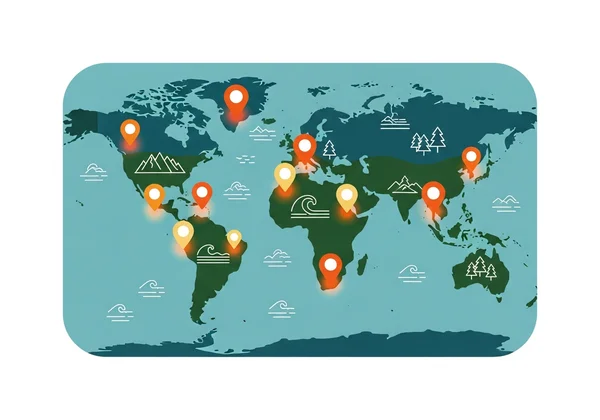
How Mystery Photos Became My Most Popular Travel Content
As a travel content creator, I used to struggle with finding fresh ideas. Then, I started a series called "Destination: Unknown," where I'd find compelling, un-tagged photos online and challenge myself to find their real-world locations. The engagement was incredible. My audience loved following the journey from a single, mysterious picture to a full travel guide.
This process not only gave me unique content but also built a stronger connection with my readers. They saw the effort and appreciated the authenticity. By uncovering these lesser-known spots, I provided real value and positioned myself as a go-to source for unique travel inspiration. It all started with the simple question: where was this photo taken?
The Technical Magic Behind AI Photo Location Analysis
So, how is it possible to find a location from a photo that has no data attached? The answer lies in advanced artificial intelligence. While older tools could only read EXIF data—the metadata file that sometimes includes GPS coordinates—new technologies can do much more.
Modern AI tools, like PhotoLocation AI, analyze the actual pixels of an image. The AI is trained to recognize millions of visual cues, including:
- Landmarks: Both famous and local architectural features.
- Geography: Unique coastlines, mountain ranges, and rock formations.
- Vegetation: Specific types of trees and plants unique to a region.
- Signage: Text on signs or buildings, which can be read using Optical Character Recognition (OCR).
By combining these clues, the AI can make an educated guess about the photo's origin, even without GPS information. It's like having a digital detective that pieces together a location from visual evidence.

Step-by-Step: Converting Mystery Photos into Travel Itineraries
Finding a location is just the first step. The real fun begins when you use that information to craft a detailed travel plan. This process transforms a single point of interest into a full-fledged adventure, giving you rich, authentic material for your travel blog or social channels. Here’s how you can do it.
Finding Hidden Gems: Sourcing Mystery Photos for Your Next Adventure
Your quest begins with finding the right images. You need photos that spark curiosity and promise an undiscovered experience. Here are a few places to look:
- Pinterest: Search for broad terms like "hidden European villages" or "remote beach cabins." Many pins lack specific location details.
- Instagram: Follow photographers and travelers who focus on aesthetics rather than just popular destinations. Look for photos without clear geotags.
- Unsplash & Pexels: These stock photo sites are full of beautiful, high-quality images. Search for atmospheric shots that don't list a precise location in the description.
- Old Family Photos: Have a box of old prints from a family trip? Digitizing and analyzing them can be a fantastic way to retrace your family's history and create deeply personal content.
Once you have a collection of inspiring images, you're ready for the next step: pinpointing the exact locations.
Using PhotoLocation AI to Pinpoint Exact Locations
This is where the magic happens. With a powerful tool, you can quickly find where a picture was taken online. The process is designed to be simple and intuitive.
- Upload Your Image: Head over to the PhotoLocation AI homepage. You can drag and drop your chosen mystery photo directly onto the page or click to select the file from your computer.
- Let the AI Work: The tool will immediately begin its analysis. You'll see it process different stages, such as checking for EXIF data and then moving on to visual feature matching. This transparency shows you exactly how the AI is "thinking."
- Review the Results: In seconds, you'll be presented with a dashboard. It will show your photo alongside an interactive map pinpointing the likely location. You'll also see the coordinates, a confidence score, and other helpful details.
This simple workflow empowers you to solve the mystery and gather the core data you need for your travel planning.
From Single Location to Complete Travel Route Mapping
Now that you have your primary location, it's time to build an itinerary around it. A single stunning photo spot is great, but a complete travel route makes for much more compelling content.
First, use the location overview provided by the tool. It often includes information about nearby landmarks, cities, or national parks. This helps you understand the context of your discovered spot. Is it near a major city? Is it part of a scenic coastal drive?
Next, use Google Maps or a similar tool. Plot your primary location and start looking for other points of interest in the area. Search for "restaurants near," "hiking trails near," or "hotels near" to find practical information. This helps you reverse engineer trip routes and transform a single destination into a multi-day journey. For example, a photo of a single castle could lead you to plan a week-long tour of the entire Loire Valley.
Maximizing Your Travel Content with Verified Photo Locations
Finding a location and planning a route is half the battle. Now, you need to turn that research into compelling content that your audience will love. Verified locations add a layer of trust and authority to your work, setting you apart from other creators who might share inaccurate or vague information.
Using precise locations allows you to give your readers actionable advice. Instead of just saying "a beautiful beach in Thailand," you can tell them it's "Freedom Beach in Phuket, accessible by a short long-tail boat ride from Patong." This level of detail is what turns passive readers into active travelers who trust your recommendations.
Authenticity and Verification: Why Locations Matter in Travel Blogging
In the age of social media, authenticity is everything. Your audience wants to know that the places you feature are real and that your experiences are genuine. When you take the time to verify a photo's location, you are demonstrating a commitment to accuracy and trustworthiness.
This builds your credibility as a travel expert. When you later visit that location and create content, your story is much more powerful. You can share the "before and after"—the original mystery photo and your own shots from the same spot. This narrative of discovery is highly engaging and shows your dedication. Verifying locations isn't just a technical step; it's a core part of building an authentic brand.
Creating Compelling Narratives Around Discovered Locations
The best travel content tells a story. Your journey of finding a hidden gem is a natural narrative that you can share with your audience. Frame your content around the theme of discovery.
Start your blog post or video with the original mystery photo. Talk about what drew you to it and the questions it sparked. Then, walk your audience through the process of how you found it. Share a screenshot of the location analysis results.
Finally, reveal your own experience of visiting the place. Did it live up to the photo? What did you discover nearby? This storytelling structure—mystery, investigation, and resolution—is a classic formula that keeps readers hooked. It makes your content more than just a travel guide; it makes it an adventure.
Creating Unique Travel Content with Photo Location Discovery
Gone are the days of aimlessly scrolling through travel feeds, wishing you knew where those stunning photos were taken. With the power of AI, you can now transform any image into a tangible travel plan. This isn't just about finding a dot on a map; it's about unlocking a new way to create authentic, engaging, and truly unique travel content.
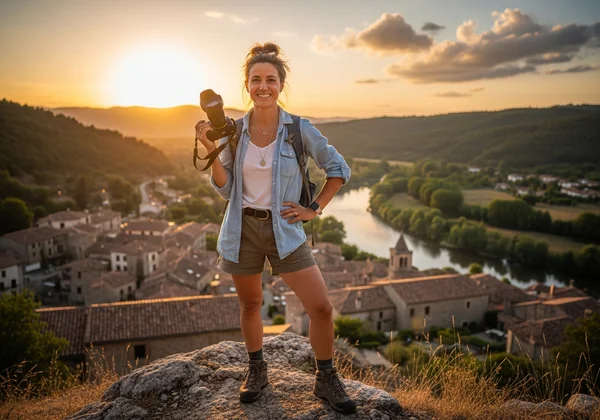
Here's how you can turn those inspiring photos into your next adventure:
- Find mystery photos that spark your curiosity.
- Use an AI tool to pinpoint the exact location with confidence.
- Build a full itinerary around that discovered spot to create a complete travel story.
By embracing this method, you can move beyond the tourist trail and become a trusted source for hidden gems. You'll not only inspire your audience but also give them the practical tools to follow in your footsteps.
Ready to start your own journey of discovery? Grab that mystery photo you've saved and see where it takes you. Try PhotoLocation AI now and uncover the stories hidden in your images.
FAQ Section
How accurate is AI photo location analysis for travel planning?
AI photo location analysis has become surprisingly accurate, especially for outdoor scenes with distinct landmarks or geographical features. The technology provides a confidence score to help you judge the result's reliability. While not 100% foolproof, it's an excellent starting point for research and is often precise enough to get you within walking distance of the actual spot.
Can I use PhotoLocation AI for indoor or low-quality photos?
The tool's effectiveness depends on the visual information available. Outdoor photos with clear landmarks, landscapes, or text generally yield the best results. Indoor photos are more challenging as they lack unique geographical clues. Similarly, very low-quality or blurry images may not have enough detail for the AI to analyze effectively. For best results, use the clearest image you can find.
Is there a limit to how many photos I can analyze for travel planning?
Many online tools offer free analyses to get you started. PhotoLocation AI provides a user-friendly platform to test the service and see its power for yourself. For extensive travel research or professional use, you can analyze multiple photos to build a comprehensive list of potential destinations for your content calendar. You can start analyzing right away.
How does this method compare to traditional travel planning tools?
Traditional tools like guidebooks or travel forums are great, but they are often limited to well-known destinations. Using an AI photo locator complements these tools by focusing on discovery. It allows you to start with visual inspiration—an image that resonates with you—rather than a predefined list of places. This "visual-first" approach is perfect for creators looking to uncover fresh, authentic locations that aren't in every travel guide.